Documentary: John Sinclair in New Orleans during Mardi Gras
February 12, 2013
“I always was involved into music. As a fan, composer, journalist, performer, photographer and now film maker….I was lucky to work with Blondie, David Bowie, Chris Wilson, Chris Blackwell and of course John Sinclair, (author, performer, beat-poet, DJ, founder of the White Panther Party, “Spirit” of the early MC5, ex-radical hippie saved from 10 years of prison by John Lennon….)
John has been a major contributor to the Culture of New Orleans and one of its most enlighted experts….particularly found of the “Black culture” of New Orleans, so rich in extraordinary talents…John guided me through the back streets of New Orleans, so to encounter the Mardi Gras Indians….” Gilles Riberolles
Click the link http://vimeo.com/47967644 to play the Documentary We love Big Chief from Gilles Riberolles on Vimeo.
Coming from Paris I joined John Sinclair in New Orleans during the Mardi Gras time….John drove me through Black New Orleans up to the Mardi Gras Indians…
You can find more John Sinclair in the Iron Man shop here: http://stores.ebay.co.uk/Iron-Man-Shop
Rob Tyner, lead singer MC5 – Interviewed by John Sinclair May 1967 for THE SUN.
February 11, 2013
The following interview with Robin Tyner, lead singer of the MC-5, the major Detroit avant-rock band, was recorded by John Sinclair in the first week of May, 1967, for THE SUN. The MC-5 has been together for almost three years and has developed into one of the most exciting bands to be heard anywhere. The group comprises Tyner, lead singer, harmonica, auto-harp, etc.; Wayne Kramer, lead guitar; Fred Smith, rhythm guitar; Michael Davis, bass; and Dennis Thompson, drums. Their first 45 single, “I Can Only Give You Everything.” has recently been released on the AMG label, and an album is being planned now. Tyner himself is not only a brilliant singer and leader but also draws, does cartoons, writes songs, and is writing a book of exercises for lead singers which will be published soon by the Artists’ Workshop Press/Detroit.
JS: Let’s talk about the music….
RT: Well, as I see it, the real music scene in Detroit is doing all right. But the whole—the population of all the musicians—and there’s an awful lot of young musicians in town—the percentage of these people who are really into it is so low that you never get to hear any of it. I mean if there is somebody in town who is really into it, you know, in the straight teeny-bopper scene, we never get to hear them. I’ve heard very few bands in this city that I can even listen to—like, there’s Billy C. and the Sunshine, I have to mention those cats—but the whole thing is very appalling. Because being a musician, I’ve lost all my sense of being entertained. You know, I can’t be entertained at all, because I’m an entertainer. I know that this Isn’t like, AH! A SHOW!, but just guys up there working a job like I work a job, and I’ve lost my concept of that. But to see somebody get up there and actually work, like work on a musical plane, to get onto these planes and just drive and work like a motherfucker, you just don’t see it. Except, of course, when you’re listening to the three or four good bands in town, or in the area—the ones I’ve heard. And I hope to God there’s more people, you know. And there will be. Because the real people are getting good, so the people who copy them will have to get good. So pretty soon it’ll be…well, I have no worries about the scene, let me put it that way. Because it’s just going OVER THERE, you know, from all the contact. Like, you go to the Grande Ballroom and what do you see? You see, like, Billy C. and the Sunshine three times—there are bands who are Billy C.; or who are the SpikeDrivers or the Southbound Freeway, you know, you find that even now there’s a small amount of hereo-worship going on, and copping different numbers and things. It used to be that you’d go to the Grande and there’d be 4 or 5 MC-5 bands, 2 or 3 Billy C. and the Sunshines, the Back & Back Boo Funny Music band…and those people used to be sort of a driving influence there, but it’s gotten so far now that we can’t even play there anymore. At any rate, the musicians who do copy, who’ve got it down, you dig, and they’ll be getting into it pretty soon. Because every band comes, you know, you get five people together, or four people, in a band, who have got it, and you’ll just come. One night you’ll be up there on the stand and you’ll just come, and the people will just flip out, and it will be together, I felt in my group, you know, like “unhhh, unnhhh, I’m coming,” and then POW!–one night we EXPLODED. We didn’t care if the people dug it or not, and musically we just exploded. We used to do our “avant” numbers as sort of unleashing a monster on the crowd—we didn’t care if they liked it, we hoped they hated it, because we were killing them, we were shooting them down with these monstrous amplifiers and we just didn’t care. We were obnoxious. We’d get up and do all of our tunes, and then at the end, we’d come.
JS: “Black to come,” yes. That always makes me think of William Burroughs, you know, “People of the earth to come out….”
RT: The job is getting rougher every day, getting more and more demanding, on the part of singers in general. There are people in the world who are shooting the scene farther and farther, and it’s going so fast that you have to RUN to keep up with it. A year and a half ago, back in the early days of Mick Jaggerdom, that’s when a singer didn’t have to DO anything but be a singer and do his act—and he didn’t even have to sound good, because that was hip back then—sound a little raspy, sing a little flat, and that was cool, because a little farther back it was Sinatra, you know, and he didn’t do anything either. But nowadays, singing…I mean listen to Spencer Davis for a minute, and you can tell that he’s obviously IN IT. He took a left turn at Ray Charles and…
JS: Disappeared….
RT: Right. He shot it right out there. You just can’t be a “singer” any more, you got to DO IT! You got to be together musically…your voice has got to be so good, man, because the people demand it. They won’t let you shuck anymore. Listen…I’m no longer talking to John Sinclair, I’m talking to the public: people of the world, the next time you see a live band, and they go up there and do top ten material, you oughta turn on them and say PLAY THE MUSIC—either play the music or GET OFF THE STAND. Tell them that…. The lead singer of the future will have to be the most versatile cat in the band, because he has to be THE solo instrument. The lead singer and the lead guitarist are the ones who do actual note-run solos. The rhythm guitar player does feedbacks and keeps the sound up. The rhythm guitar is no longer just a-chink a-chink a-chink, it’s an art all in itself. Anybody can go the note-run route, you know, like lead singers and lead guitar players—you can express yourself beautifully with note-runs, you hear it all the time—Jeff Beck, Mike Bloomfield, they can run it down with notes. But it takes more to play a different game—the rhythm guitar has to carry the band’s sound all by himself. He’s got to BE THERE. And I haven’t heard too many of that kind of player yet…
JS: Well, I think you’ve found one…(IN UNISEN): Fred Smith…(sigh)
RT: Yes…I’d like to thank all the cats in my band for getting as far as they have, and I wish them luck for the future. (Laughter) But as far as being a lead singer goes, in another year and a half the lead singer will have to be the most multi-instrumentalist person in the band. Lead singers should be in there playing tenor saxophones, and alto, and bassoon, oboe, everything else…harmonica, which is like a sanctioned instrument for rock&roll. I got onto that the first time I heard Mick Jagger, Gary Grimshaw brought the record over and I knew the second I heard it that I had to be a singer. So I had this harmonica I’d picked up a couple weeks earlier, and I got right down in there with that. I tried for months and months but couldn’t do anything with it. Then one night I was at a beer party and some cat told me that all blue notes are “in” notes—draw notes—and that did it. That straightened me right out. Every lead singer should have a whole range of instruments, like say, Joseph Jarman has…belles, wind chimes, gongs, and anything else that makes music. I’ve been playing organ, auto-harp, chromatic harmonica, Japanese flute, recorder, and something else…I can’t remember what it is. (Laughter) That’s why I began going into the realms of the sonic…playing feedback off the microphone. Hey, singers! You’ve got an instrument! Anyone who’s got a sound system has got an instrument. You can play the microphone.
JS: I’ve always wondered how you picked up on that. Did you hear someone doing it, or did you just discover it?
RT: We were playing at a party at Betty Conn’s house one night, a wild beer party, and we played “Hang on Sloopy” for 45 minutes, and I said to myself, “there’s got to be something else we can do,” because my voice was gone, and I’d been playing harmonica until my mouth bled, you know, and I felt that there was something else we should be doing—because I had to keep the level up there, we were using guitar, bass and drums at that point and we just kept going and kept going. That was when we were first getting into it, getting farther than what comes out of the radio speaker, and it was a question of what could we do to take it even farther. So I told everyone, in the course of the song, to listen because something really spectacular was going to happen. And they wanted something spectacular, you know, everybody was just sweating and screaming, because if you take a tune like that a drag it out, it gets so much power, like a mantra, you just say it until it’s got so much power that you can’t hold it any more and it explodes, and it HAPPENS. So I went over to my line speaker and shoved my microphone into it, and some glorious and beautiful sounds came out of the speakers and the amps. So I began doing that profusely.
JS: When was that? Who was in the band then? Were they working on feedback by that time?
RT: That was about two years ago, and we had just begun to break into it. That was a few nights before we actually did it on stage. We did it in Dearborn, and we just EXPLODED out there. The first night we did “Black to Come,” we wrote it down in Kramer’s basement, and Fred Smith discovered that you could turn up the Super-Beatle amp until it was unbearable, right. And started playing the opening chords to “Comm” spontaneously and smashed a jar! At that time our group—we had Pat Burroughs and Rob Gasper on bass and drums. Gasper now has a really beautiful, very tight band—the Endless Chain—really together. Gasper’s a tight drummer anyway. Burroughs elected to go to the Marin Corps.
JS: Is that when Michael Davis joined the band?
RT: Right. And we picked up Dennis Thompson from Lincoln Park—he played in a bar with us a couple nights, and I guess we just scared him into being our drummer.
JS: The powerhouse….
RT: You see, the thing is that Dennis amazes me…I don’t want to say anything about Dennis—I’ll just embarrass him… (Laughter)
JS: You have a lot of trouble with the technology, right? I know I’ve talked with people about this, like Marion Brown, the saxophonist, we were talking once about the arrest pushing the technology to make them come up with adequate tools….
RT: Yes, soon there will be an amplifier that can take….
JS: The MC-5….
RT: That can take sustained feedbacks. Oh, incidentally, I have to mention…if you singers want to play the microphone and the speaker, you’re doing it at your own risk. Because you can melt down your whole system that way. It isn’t a good thing for your speaker, but it sure is groovy. And I don’t want some cat coming up and telling me that I made him blow his set up, you know, so make sure this part gets in, OK? That too is an instrument. Like one night I dreamed I vomited on stage…think about that one! But I feel that it’s the duty of every lead singer to seek and find Joseph Jarman, and watch him! Because Joseph Jarman is the best lead singer that took the multi-instrumentalist route. In fact, most tenor players would make good lead singers.
JS: Yeah, they do, in fact, like Archie Shepp has said. Pharaoh Sanders, Archie, Albert Ayler, Roscoe Mitchell…Trane, all those cats.
RT: We saw Joseph Jarman out at Cranbrook last week and it was one of the most amazing things I’ve ever seen. Now, seemingly there’s no connection between rock&roll music and “avant-garde” jazz—they seem to be totally unconnected—but they aren’t.
JS: Right. These days most of the players come out of rock&roll, or rhythm & blues, anyway, like Archie Shepp says his biggest influence was Eddie “Lockjaw” Davis and all those old screaming cats. Or Albert Ayler used to play with Little Walter’s band. Like Pharoah Sanders, on MEDITATIONS, right in the middle of “Consequences,” playing way up in the fifth register of his horn, screaming his ass off, and all of a sudden you hear him throw in “Hold On I’m Coming” by Sam and Dave. Blows your mind.
RT: What I really dig is the new resurgence of the Memphis Sound—that’s beautiful, man. Carla Thomas and Otis Redding. Um um. Joe Tex and Aretha. Yeah. Aretha Franklin, if you read this, I love you. I wonder if you need a band to back you up. I’ll just play the harmonica for you if you want. (Laughter)
JS: Yeah, you know Aretha started out as a jazz singer.
RT: Naturally. I started out as a jazz freak. So did you, so did…I mean shit, you have to have your chops together before you can do it.
JS: That seems to be the difference, actually, with the new rock&roll, and that’s the thing that seems to me to be the most exciting thing about the new rock, outside of the music itself—that the rock players are becoming musicians now, not just plastic guitar strummers, bouncer up and downers….
RT: Well, yeah, I mean, what else are you gonna do? I’m sure everybody who digs rock&roll will thank the British cats very much, because they’re the ones who started the whole thing, they made us into musicians….
JS: Right. And the British got theirs from the r&b people over here.
RT: They just turned it around, they just gave it the emphasis….I think they ought to be rewarded for that.
JS: Well, they have been….(Laughter)
RT: I think we oughta erect a shrine to them, to say “thank you very much.” Because, see, rock&roll began, and then it was perverted immediately—because of the American radio scene. Perversion. You know, it just became Connie Francis, and Bobby Rydell, and Fabian and those cats….
JS: That’s what drove me away from rock&roll back in 1959. Like, I’d been a rock&roll freak in high school, and then when those other cats came around I started listening to jazz and just wasn’t interested in what those people were doing at all.
RT: After rock&roll became perverted, I watched it go down. And I was glad to see it go. Because it started off so beautifully, man, and it wound up so fucking malignantly corrupt, you know, that I was glad it just sank. Because after it sank, man, I turned my face toward Cannonball naturally and all those cats. And then a young man by the name of John Coltrane took over my heart and soul for a while. And just at the point Coltrane was about to come, see, and I could have been there to see it happen. But by then I was watching Mick Jagger and people, and getting my head tore up by cats who were doing the same type thing as the Adderleys were doing, only a little glossier because for me jazz had remained a static thing…Cannonball and the people of his genre, Herbie Hancock, the Jazz Crusaders—remember those cats, “Young Rabbits” and all that shit.
JS: You talked about the American radio system, which was responsible for all that shit being popular, and it wouldn’t let people know what was really going on in jazz at that time—Cecil Taylor, Ornette, Eric Dolphy, and all that beautiful music….
RT: Right! Radio stations ought to be bombed, right off the face of the earth. They’re a malignancy on our growth. Phew. I mean there are some parts of this cancerous corruption, man, that are OK. But then…then there’s radio stations. Any part of a cancer is still a malignancy, and you can’t sacrifice everything for just one part that isn’t so corrupt. But the AM radio scene is just ridiculous.
JS: It’ll change, though….
RT: Oh, sure it’ll change. It’s got to change. If it dosen’t, then nobody’ll believe it. We just won’t stand for it.
JS: Like what you were telling the people at the Love-In-Sunday, when the Seventh Seal and Billy C. were playing, that the people would have to demand to hear this music on the radio…because they don’t even know that the music exists, unless they hear it on the radio.
RT: Right, right….Anything that comes out of the box—any air disturbance or turbulence that comes out of the speaker—has to be made by somebody. And it can always be made better. Always. Any sound you hear can be made better. Remember that, man, because the depth and range of human musical ability is endless. Totally endless, man. You can do anything—ANYTHING—you can make the most fantastically gorgeous, soul-stirring beautiful phantasmagorical music, or you can make bullshit. You know!
JS: All bullshitters must be prosecuted! Semark had a beautiful story about that—did you see that? “The Judgment of Edmund Zwingy,” it was in CHANGE/2 I think.
RT: Yeah, I saw that! It burned into my skin! In fact, that was what turned my eyeballs to the malignancy, that story did. Read it, people—lead singer musicians, pick it up and take a good look at it. Also, for your convenience, the quotation at the top of this interview—you can clip it out and carry it in your wallet and look at it every time before you go on. Because John Tchical wouldn’t steer you wrong. That’s it! That’s the rules to the game.
JS: What about material? Like some of the things you’ve been doing lately that’ve been blowing my mind, making up lyrics as you go along that come out of the specific situation. Like at the Guerrilla Lovefare happening this winter, with all those beautiful vibrations flowing and throbbing in the room, and in the middle of “comm” you started singing., “Here we are people, / Look what we can do”….Amazing….
RT: That’s because the situation was amazing. It has to do with the situation, that’s all. Don’t forget—people listening to live music jump into a game situation and it becomes magic—and it’s beautiful, man, because while the vibrations are flowing all around you and it’s magic, you’re still living in the real world. So during the magic, if somebody tells you where you are in the real world, it burns home. It hits you outside of the magic of the music…it burns right through the magic of the music and hits you in the real world. The real world is terribly imporatant—don’t get hung up in the amphetamine-mouthed rapping, the real world is beautiful, and the music is magic.
JS: Singers and musicians were always, in ancient cultures, and in our own Western culture it’s especially true, before “literature,” in the oral culture all learning was passed on through the poets and the musicians.
RT: Magicians….
JS: Poets were magicians.
RT: Of course. Poets are magicians, everybody’s a magician, man.
JS: And all learning was passed on that way. And now we’re talking about a return to an oral culture, less and less people read, and people are getting what they know off the radio, off the records…you can hear it, and that makes it more immediately REAL.
Mail to the SUN,
4857 John Lodge, Detroit, 48201.
You can find rare stuff by MC5 and also John Sinclair in the Iron Man shop here: http://stores.ebay.co.uk/Iron-Man-Shop
9 Questions answered by Mark at Iron Man Records, Birmingham, 2012.
February 25, 2012
How did Iron Man Records come about?
I started buying records at an early age but soon found that record collecting was an expensive luxury and the only choice was what was stacked on the shelves or anything that hadnt already sold out. I spent time finding good second hand shops but again, the majority of records i found were old vinyl in poor condition or unwanted items and i could never find much I was interested in. I spent a lot of my time reading the music magazines for free in shops on saturday afternoons looking at the features and reviews but again there was never much i really found any interest in. The bands all seemed the same, none of them had any story or mystery to them, they seemed to me like manufactured, heavily marketed and promoted vehicles for generating money for the record labels behind them. Few of them captured my imagination or seemed to have much to inspire me in any way shape or form. For a while it seemed like the album artwork was almost more interesting or imaginative than the music on the record itself. I suppose the late 1970′s and early 1980′s did produce some good bands but I think anyone who was in their early teens at the time would agree that the 80′s were a bleak time for interesting new music.
One good thing did happen during that period, I discovered tape trading. In the back pages of many music magazines at the time there were small classified adverts listing people who lived all over the country, and all around the world, who had an interest in all sorts of bands. A typical advert would read something like “My name’s Joachim, I live in Germany and I like bands like Metallica, Slayer, Anthrax, The Accused, Suicidal Tendencies. Write me with S.A.E (self addressed envelope) for live tapes, swaps at this address….”
I would read the advert, and then read it again thinking…”I like Metallica, Slayer and Anthrax… but who are The Accused or Suicidal Tendencies?” I would write to the person in the advert and find out. Before long, the postman was delivering parcels to me that were coming in from all around the world. A couple of my friends were doing the same, we swapped amongst ourselves and with the people we wrote to.
The packages that arrived by post, sometimes two or three a week, contained hand written letters from people the same age as me. Sometimes the tapes would contain an album or a couple of band demos or a live recording of a gig on another. I got the first demos from Heresy, Doom, Carcass, Regurgitation and numerous other bands in this way so I was already looking out for them when the band’s first album got released. I discovered bands like Oi Polloi, Stupids, Dr Know, Rhythm Pigs, Sabbat, Butthole Surfers, Sacred Reich, Nuclear Assault, Faith No More, Prong and many others in a similar way.
Sometimes i would get a fanzine through the post with a long letter listing recommendations, some of the people I wrote to also reviewed records for fanzines or wrote their own. I began to realise that the bands I was watching on top of the pops each week and the features and reviews in the music magazines were just the tip of the iceberg and that the really interesting music was everywhere, you just had to know where to look.
I think this was the starting point for everything I do now. I had this idea to try and find a way to let more people find out about, and enjoy, the music that I was finding for myself so easily. I wanted to get all this music out to a wider audience. I couldn’t understand why more people weren’t doing what I was doing. I had this naive idea I could somehow come up with a mechanism to provide some kind of alternative to everything I was seeing and hearing through the standard mass media channels at the time. If truth be told, I don’t think I had any idea how to do it or where to start but seeing as i had no friends around me that knew any better, I might as well make a start and make it up as i go along.
Every week I used to go through all the magazine and fanzine gig listings I could find. I would hope I’d spot a gig for a band I had heard about through tape traders and people I had been writing to. I started going to see bands play in London as my older sister had a place where I could stay. I would show up to gigs and hope I could get in without having to show any id, I was 16 at the time. I spent a lot of my time at venues like The Sir George Robey in Finsbury Park, The Canterbury Arms in Brixton, The White Horse in Hampstead, The Fulham Greyhound and I used to go to loads of other places too many to mention here.
I often went to gigs by myself, once I had managed to get a drink at the bar I would try and find someone who looked friendly and just start a conversation. The easiest way to do this was to ask them about the bands playing or what records they had bought recently or what other bands they were into. I started to make new friends and some of them I’m still in touch with today. Many people I spoke to mentioned various record shops they could recommend, other venues or fanzines worth checking out and many of them mentioned John Peel. I had already discovered John Peel myself through listening to the radio late at night but I hadnt realised just how significant he was in terms of the numbers of people my age who listened to his show regularly. Sometimes John Peel would get a letter in from a band, or a mate of a band, I had heard about through tape trading, and he would read it out over the air. He would include the details of their upcoming gig, news of a forthcoming release and an address to write to if you wanted more information on the band. Quite often, if I couldn’t find anything in the gig listings worth going to see, I would take a chance on a band mentioned by John Peel.
Going to gigs, or earning enough money to go to gigs became, for many years, the complete focus of everything I did. I loved seeing bands play, meeting new people and sharing a drink with other people who liked the music I was into. But going to gigs and tape trading wasn’t enough, I wanted to take it further, I wanted to contribute in some way, help these bands reach a wider audience.
In 1990 I had the chance to decide where I wanted to live, I had an offer from several Universities to do a degree in Geography (Don’t ask) and I decided that Birmingham was the University for me. The City of Birmingham up to that time had been producing the most interesting music that I had heard. For example Napalm Death were based in Birmingham, I had been at the first Godflesh gig at the Canterbury Arms in Brixton completely by chance. Godflesh at the time were from Birmingham. I had showed up to see Dr and the Crippens (from Bristol) play but they cancelled and Godflesh and Sink played instead. Bri from Doom was there, I had been tape trading with him for a couple of years and he had told me a lot about what was going on in Birmingham. I used to trade and write to Les from Concrete Sox too and he was always talking about the Birmingham scene and how good the band Doom were. I had a load of Napalm Death live tapes that I had swapped and a lot of the talk between songs was all about other birmingham bands or records that members of Napalm Death were listening to. For a while, many of the bands I was discovering all seemed to play, or had played in Birmingham either at The Mermaid or The Barrel Organ. Birmingham also seemed to be the place where many bands I was listening to were going to record demos or their first records. For example Heresy, Doom, Carcass and others all recorded at Rich Bitch studios in Selly Oak, right next to the University. It seemed Birmingham between 1986 and 1990 had been attracting bands to a healthy alternative music scene and that was what brought me to Birmingham in 1990. However, like all things in the music world and everywhere else, change is never far away, and in Birmingham, things changed…for the worse.
The Mermaid closed down, The Barrel Organ closed down, in 1992 the Hummingbird closed down. What was left were venues like The Jug of Ale, The Hibernian, The Hare and Hounds, The Flapper and Firkin and the only real alternative venue of any size was The Foundry. There was also the Institute and Edwards Number 8. It seemed to me that the only promoters left in Birmingham were only in it to promote the bands they liked already or they would only put on bands that would appeal to the student population regardless of what might be thought interesting or new. How naive I was. Looking back on it with Hinesight, most of them were probably trying to cling on financially as the world around them was already collapsing and they would do anything if it meant better tickets sales. More ticket sales meant more beer sales. More beer sales meant the venue and the promoter had a future. There had to be a better way to attract customers. At this time, the Internet hadn’t arrived yet in any serious capacity.
Across Birmingham student bars were selling beer at £1 a pint, DJ’s were paid £50 to play records in the local pub, big screen TV’s were everywhere playing sport, computer games were encouraging people to stay at home and play, more channels were accessible on the TV, Cable, Satellite channels and changes in peoples use of their leisure time were all eroding ticket sales. You didnt have to go and see a live band anymore to have a fun night out…you could go to the pub and listen to a dj, or watch the sport, or go clubbing, or go to a sports bar and drink cheap lager. The council already had plans in action to build a new shopping center right in the middle of town, people would be able to go shopping anytime they liked. If this wasn’t enough to sound the death of any hope for the future, do you remember how Birmingham used to have one of the best dance music scenes in the country? House of God, Crunch, a host of other dance nights were all attracting students and other young people…live music was no longer as important as it was, particularly in Birmingham. If you ran a pub, why would you pay £300 or even 500 for a live band when you could get a DJ for £50? It has always been hard enough to run a pub and make money from beer without worry about the rest. Things like marketing and promotion were expensive and complicated, a simple solution for attracting people to drink beer and spend their money was the aim of the game and its still the same today. (It’s interesting to note that these days people even DJ for free in pubs with a laptop or an ipod and think they’re achieving something, they’re just being used…they have their ego flattered and they help sell beer for someone else but, I digress.)
This is where I found myself in 1992. The venues were closing, the promoters were doing anything to stay in business, the breweries would rather fit a big screen tv and provide food than have a fully equipped venue and regular live music. It was too expensive and too much risk was involved. As far as the promoters were concerned, I don’t think anyone was making any money, it was a lot of hard work and a lot of stress. When the venue was packed and the beer sales were good the bands got the credit. When the venue was empty and the beer sales were poor the promoter got a talking to. Either way, if you were a music promoter it was a lose or lose situation. The situation was desperate. Then something happened that pushed me into action.
At the start of 1992 Two bands I had been a fan of for years, from opposite ends of the musical spectrum, came together and appeared on prime time TV right in front of my eyes. One band was Extreme Noise Terror, a band John Peel had introduced me to through numerous plays on his radio show, the other was KLF…a band that had first caught my attention with their antics on top of the pops and an interesting approach to releasing records. The KLF attracted my attention for a number of reasons, you can look up what they are all about anywhere on the internet. Their most notorious performance was what finally did it. The KLF collaborated with Extreme Noise Terror at the February 1992 BRIT Awards, they played “3am Eternal” and fired machine gun blanks into the audience and dumped a dead sheep at the aftershow party. This performance announced The KLF’s departure from the music business, and in May 1992 the duo deleted their entire back catalogue. Im sure anyone will tell you how scarcity increases value of some items, the internet has put an end to scarcity and so the value of music and downloads has become almost nothing. You can get anything you want anytime you want it. There’s no apparent value in ownership anymore. Anyway, back to watching ENT vs KLF on the Brit awards: I watched in disbelief, laughing my head off as the two bands performed on LIVE tv. For the first time in as long as I could remember, something had made me laugh out loud and had lit the fire of enthusiasm to do something myself.
I had been playing in bands for many years by this time, I had been to hundreds of gigs, talked to lots of fanzines, labels, bands, venue promoters and gig organisers. I thought that if no one else was going to do anything to try and sort things out I would have to do it myself. This was the chance I had been waiting for, I had this stupid idea that I should start putting on gigs myself, bring to birmingham all the interesting new alternative bands and I should mix the bills up with good local support acts. All I needed was a venue going bust that would be desperate enough to let me have a go, I would need a sound engineer to look after the sound and I could make the rest up as I go along. That’s exactly what I did.
I started at the Hare and Hounds in Kings Heath. My friend Tom Wiggins was a sound engineer, or at least he reckoned he could do the sound if I paid him and sorted everything else out. I went to the landlord at the Hare and Hounds and managed to persuade him to give me one night a month. I would do all the promotion, I would take all the money on the door and I would have to pay the soundman and pay the bands. I started doing one show per month and then moved on to one show a week. I never made much money, enough to pay the sound man and give the bands a donation towards their costs but there was never enough money for everyone and I certainly was not going to make anything for myself. When I graduated I had a couple of dead end jobs then decided to sign on to free up my time to put more effort into organising the gigs, marketing and promotion. I spent many late nights thinking about what i could do to make things better. I had done my research, I had a strategy and I was putting the strategy into action but still there was not much money and not many people coming to the gigs.
A few years later I spotted a poster for a gig at what became Monkey Micks opposite the fire station in Aston. It was a poster for a band called Dogfood and on the poster it said the event promoter was sponsored by the K Foundation. I assumed and hoped that this was in some way related to the KLF and showed up to the gig with no idea what to expect. I had an interesting night out. Leaving the gig after a few drinks and making plenty of new friends, I felt I had at last found another small group of people who were also looking for an alternative. They were hell bent on making their own fun regardless. I was also pleased to discover the music promoter responsible for the gig posters, he appeared more unhinged than I was and at best came across as a dangerous lunatic. His name was Richard Temple and we became good friends. Richard introduced me to the internet, I had no idea what it was, how to use it or even what possibilities it presented. Richard had to admit that putting K Foundation on the posters was only an attempt to attract people to the gig, he was a fan of KLF and used the name purely to see who would show up. As he stated to me some days afterwards “as a strategy it worked quite well. For a start…you showed up.”
By 1996 Richard was organising shows in Birmingham under the name of “Discordian Promotions” and I was operating under the name of “Badger Promotions.” Both of us were trying to organise shows for interesting touring bands with support slots filled by local acts. I think we both knew that neither of us were ever going to make any money either for the bands, ourselves or the venues we were working in, but we couldn’t stop, the phone kept ringing. I think we both continued because we were both working at it and it felt good that there was someone else as mad, doing it, too.
In 1997 I had come to the conclusion that there was really no hope for the future of local gig promotion in Birmingham. It was a disaster area and would continue to be so until someone or something came along to change everything. Anyone who knew there was no longer any money in it was moving on in the hope of better things. Those that remained were either too stupid or too bloody minded to stop or earning money or promoting half decent new music was not the purpose. Richard and I had started using the internet and hoped that this could be the “thing” to change everything.
Richard set up the first internet based discussion group for “music in Birmingham” called “Discordian.” It started life at egroups, then became a yahoogroups list. We started putting email addresses on posters and flyers and invited people to join the discussion online. For users of twitter or facebook these days, this is it where it all started for some musicians in Birmingham. It was slow to start, painfully slow. I dont think many other people in Birmingham had any idea about the internet either and certainly no idea about what was to become “social networking.” The basic idea behind the discordian group was to provide a platform where people who were into alternative music in Birmingham could freely discuss all things music eg: gigs they were going to, bands they had seen, records they were listening to and so on. It was also a sneaky way to promote the word “discordian” and all related “ideas.” After many months the list still only had about 20 users and Richard and I were the main contributors. So always the one with the insane ideas, Richard decided to test whether the “Discordian” discussion group for music was the problem or the concept of the internet based discussion group itself. Richard tried to think of something that was less likely to be of interest to people in Birmingham than music. He picked the subject of “being naked in public places.” The reasoning was simple: “surely more people would be into going to local gigs than walking around in public naked?” Right? How wrong could anyone be. Richard and I were both masters at that. Richard set up a discussion group that was essentially aimed at people who “liked to walk around naked in public and network with other people who liked to do the same.” Within a month the group had over 1,000 users, within a year it had got out of control. Richard had to shut it down. At least we had the answer we were looking for, the internet is a powerful tool but you need to know how to use it and what you talked about, provided, discussed or promoted mattered. Just because we had access to the internet didn’t mean that people would show up to the gigs in any greater numbers than before we had the internet. The bands, the music, the quality, the profile of the bands were still an important part of the equation, we still had to choose the bands carefully. In fact, everything we had done offline before pretty much mattered just as much as what we were doing online now, we had just given ourselves even more work to do online and off. The internet was not instead of our work offline, it was an addition to our offline strategy.
I continued to think about ways to reach a wider audience, how could a local band in Birmingham reach a wider local audience, a national audience or even an international audience? Did you really need money or could you do it with strategy alone? Richard and I sat around drinking and arguing about what the internet was or wasnt going to do for us and how it would change the future. I had my ideas, Richard had his. I have to admit, looking back on it neither of knew anything but at the time Richard was the only one who had any clear vision of what we were dealing with and what the future might be. He had invested serious time finding out how things worked online and if anyone knew anything it was more likely to be him. At the same time, in the national press I was reading about the internet being the end of the music business. I’d heard that one before. Piracy will destroy the music business, Home taping is killing music and now digital files and downloading is killing the music business. It had to be rubbish, somebody somewhere was losing power and control and they didn’t like it. I thought about it a bit longer and read and re-read the articles about the internet and music. I thought to myself that people who knew how to use the internet effectively and use it in cooperation with everything else they did would no doubt succeed, and people who didnt know how to use the internet effectively were going to fail. The Internet appeared to me as a ten ton truck approaching and somehow i had to get behind the wheel or at least put some good tunes on the stereo rather than just get run down. At a time when the local live music scene was in a mess and the music industry had announced it was starting to collapse I decided to start a record label of my own. I wasn’t after money, I wasn’t after a quick hit or the hope of selling the business on to a larger company when I had made a mess of things. I knew I had no future promoting local gigs, I had already been at it for 5 years in Birmingham at this point and had seen enough to put anyone else off music for life. I just wanted the chance to compete in a new game with an all new hope for helping bands reach a wider audience. And if that wasn’t going to happen I would just have to cheat effectively long enough to stay in the game until I worked out a more effective strategy to survive. In 1997 I was on the dole, I had no money in the bank, I was behind with the rent, I owed people money, I had 5 years as a local music promoter behind me, what did I have to lose? I didnt have anything but there was one small problem. The bank was not stupid enough to lend me anymore money and my credit card was full. All I needed now was to find someone who would give me some money, enough money to release a record and test out the insanity for real. Someone who would not ask for it back if I failed completely. And while I waited, I thought I’d treat myself to a little research, I bought a copy of “The Manual” (How to Have a Number One the Easy Way) 1988 – a book by The Timelords (Bill Drummond and Jimmy Cauty), better known as The KLF. It’s wikipedia entry describes it as “a tongue-in-cheek step by step guide to achieving a No.1 single with no money or musical skills.” I’d heard about it and read bits that had been copied or reproduced. I decided to read it and work from there.
In late 1997 someone with money to lend me walked through the door of The Old Railway. I was organising two shows a week and they asked me how much I thought I would need to start a record label. I couldn’t believe my luck. Within 7 days the record label had a logo and the name I had been keeping for just such a purpose could at last be used. I had already thought a lot of my plans through so when the opportunity just appeared one evening in the doorway I knew exactly what I wanted to do next. Iron Man Records officially began on 23rd November 1997 although I had been working on ideas throughout 1996. The name came from the song Iron Man by Black Sabbath that I used to play when all else failed. Birmingham to me has always been Ozzy’s town. Black Sabbath could not have happened without the crushing despair that prolonged exposure to Birmingham’s built environment brings down onto people. It’s in the water, it’s the skyline, the warehouse roofs and canals, you can’t see much further than the other side of the road, it’s all around you, you can feel it. Birmingham can be a bleak and depressing place. Bands like Napalm Death, Godflesh, Doom and the rest I’m sure were all influenced by the place they spent their time. It shows in their music. The name was also inspired by my own perceptions of Birmingham as an old industrial town, made of iron, populated by stubborn, narrow minded people with no drive to do anything creative for themselves apart from work, consume, breed and die. I wanted to take a tin opener to peoples perceptions of the Birmingham Music Scene and I wanted to take a tin opener to the Music Business in general, I wanted to see what it was all about for myself and offer an alternative. I wanted to show that anyone could set up a record label and and anyone could work effectively to help bands reach a wider audience without having to be a greedy money motivated idiot. I didn’t just want to do it myself, anyone could do that. I wanted to do it properly and fairly without into the age old compromise chasing money etc. Not long after I decided to make a start on the record label, Barney, the singer from Napalm Death showed up one night at The Old Railway to write a review for Kerrang. I spoke to him briefly and asked if he could recommend a good studio in Birmingham for bands to record as I had heard so many horror stories about Rich Bitch. He laughed and said “Go and see Bag at Framework Studios, he’ll sort you out.” Barney gave me the address and the rest is history. When I found Framework Studios I found Bag aka Paul Siddens and Simon Reeves. Bag had worked with Napalm Death for the last ten years, Meathook Seed, Charger, DBH, Little Giant Drug, Cathedral, Carcass, Bjork, Admortem, Family Cat, Crowbar, Six Feet Under, Obituary, Ride, Coal Chamber, Skin Lab, At The Gates, Saxon, and PJ Harvey. Bag starting teaching me some of the most important things about touring, recording and everything else I might need to know. The rest is history, I still work with Framework Studios, in fact Simon Reeves plays bass in Last Under The Sun which is the band I started over ten years ago. The first release on Iron Man Records was a local band called I.O.D and it’s still one of my favourites, a local band that had only played local gigs and with Bag’s work in the studio, they produced a great debut release.
I have kept a list of quotes that have continued to inspire what I do since the record label has been in operation. You can read them here: http://ironmanrecords.net/about/reasons-why/
I have also been questioned on some of the above before. You can find my answers here: http://ironmanrecords.net/about/questions/ and here: http://ironmanrecords.net/about/10-questions/
Is it an equal partnership between you and Kevan? Or does one of you have more control?
I have the main artistic and financial control of the label, but just like any solo project, it is doomed to failure if you don’t have at least one other person involved to keep a degree of sanity to decision making. Kevan looks after all the Legal agreements and we discuss everything at length before I start working on any new projects. Kevan has also contributed many good ideas along the way as he has worked in music and law himself for many years and knows a lot more about the commercial pitfalls and the better aspects of the music business than I ever will.
What made you decide to branch out further that being just a record label?
I never started the record label to make money, I hoped it would cover it’s costs but that was just about it. Since 1997 the label has spent a lot of money and struggled to generate any real income at all. I considered applying for funding and working on more effective marketing and promotional strategies but in the end I decided I would rather abandon the concept of strategy and just generate more releases with bands that i liked in my own time and when funds permitted. After the closure of The Old Railway in Digbeth I was no longer booking concerts for bands and the phone kept ringing. Bands would ask for a show and when I told them I was no longer organising anything in Birmingham the next question would always be…”Can you come and get us from the airport?” or “Do you know anyone with a van who could drive us round Europe for the whole of the tour?” I started to offer Tour Management and driving to bands I already knew just to help them out. But the phone kept ringing and soon I was working with bands I had never met before and they were willing to offer me money in exchange for my experience, knowledge and time. I continue to keep to the idea of only working with people I like and I tend to favour the bands who have something interesting to say with their music, lyrics or approach to their music in general.
I have been offered work by the Musicians Union, local funded organisations, and several Universities teaching Music Industries Skills and Music PR and Promotion. To be honest, whilst I working for all sorts of different entities and enjoy teaching a lot, I don’t like being employed by anyone I wouldn’t want to invite for a drink and a chat. Sadly many Universities and local funded organisations have become administrative frameworks and sometimes you never even meet the people who make the decisions or pay your wages and as an employee you have little chance to influence what is taught or how it is taught or what subject matter should be focussed on.
In this digital age, for what reasons do you sell CD and Vinyl?
There is still a healthy market for CDs and Vinyl and I like them both for different reasons.
In Germany, France and Czech Republic, Vinyl always sells better than CDs or digital downloads amongst the bands I work with both on tour and as a label. One of my friends in Czech republic explained to me that he discovers new music on the internet, by personal recommendation. He downloads suggested mp3 and gives them a listen. If he discovers a new band he likes he buys a ticket and goes and sees the band play when they visit Czech on tour. If he likes the show he will buy a vinyl album or a 7 inch single as a souvenir of the gig and as a valuable addition to his record collection. He explained he had no use for cds as they were digital and he could get the digital files for free from the internet. He explained he likes to sit and listen to his records or invite his friends round to join him. This love of vinyl has been repeated to me by friends I’ve got in France and other European countries. Things may well change in future but for now, Vinyl is still more important that anything else if you want to tour or operate in Europe.
On a personal level I’ve always loved Vinyl, the artwork on the record sleeve, the lyrics inside, the smell of the vinyl and the simple joy of playing the record and sitting down and listening to it. I have a good collection of vinyl and I still think one of my favourite things is to sit down, with no phone, no laptop, no interruptions and just play a record from start to finish. If anyone has ever sat down and listened to any classic record like David Bowie – Ziggy Stardust and the Spiders from Mars or Pink Floyd – Dark side of the moon from start to finish without any distraction you can’t help but admit, the music takes your mind to another place and you just cant get that sort of enjoyment from digital files played through tiny speakers on a laptop computer.
CD’s are different to me. I like them as they are digital, you can play them in the car but you can also read the sleeve notes and packaging, you can look at the artwork and you have a physical product. The are also a lot cheaper to send through the post. I have never really like the idea of filling my computer with digital files. All that happens is I listen to endless streams of music files and in the end my brain just becomes numb to all of it and I stop enjoying the music. I still enjoy putting on a good record and listening to it from start to finish. I don’t mind getting up and turning it over if its on vinyl but I really don’t enjoy the continuos, infinite stream, of digital files playing through itunes, I find it soul destroying and eventually irritating.
Digital files tend to be found mostly on my computer so i only listen to files that don’t distract me too much while i’m answering emails or whatever online. I tend to listen to more relaxing or acoustic based music when im on the computer. I think this is why music that is marketed and promoted only though the digital medium will eventually short circuit. the only music that will prevail will be music that people like to listen to whilst playing on facebook or answering emails or whatever while sat at a computer.
Releasing a good physical product, with proper artwork and packaging, that involves the listener playing the music on a record player or a cd player means that at least there is a small chance they wont ONLY listen to the music when sat at a computer.
Do you sell any music by artists that are not with the label?
Yes I run a distro on ebay. By this I mean I buy cds, vinyl, dvd, and all sorts of other stuff off bands I like and I listen to on a regular basis. I try and sell stuff as cheap as I can on ebay and usually I put a freebie of some description into every envelope. Anyone who buys anything from me gets an extra item of some sort in addition to the stuff they have paid for. It’s my way of keeping in touch with my customers and it means I can see for myself what people are buying and what they are no longer interested in as far as ebay selling is concerned. It also helps as i can put flyers or info about events into the envelopes as I pack and wrap items before sending them out. At times it’s just like the old days of tape trading, I have a means to get the information out to the people buying the music and I can bypass everything in the mainstream media or on the net. I know that if they are buying this cd from me by this band, they will probably be interested in this flyer, for this gig, on this date etc.
Do you have a business plan?
Not really, things are changing all the time, my mind is changing all the time, I have to be ready to seize the moment and by the time I’ve written a proper plan out I’m already onto something else. I do however do my research for each individual release, I assemble a strategy on a release by release basis as every band has different needs, wants, ideas etc and I try my best to stick to the strategy spread over a planned time period. I alway try to set goals or agree indicators for evaluation before I begin so I know whether I have been successful or not. For example I might suggest 2 good local reviews, 6 good national reviews and some radio play might deem a release a success. By comparison another record might need 5 good local reviews and 20 good national reviews to be a success. I’m not going to go through it all here but in simple terms I have a rough outline strategy for everything I do but everytime I think about putting a strategy into action I review it based on recent events, try and do some more research where required and then I’ll customise it depending on what I want to do and how much time or money is available. But I always try to set targets before I begin so i know whether what I have done has been any good or not by the time its all finished or I’ve gone as far as I can.
How is Iron Man Records funded?
The label began with a cash loan that was recoupable against sales but not returnable in the event of failure. It’s probably safe to say the word failure was the result. I’ve essentially written all this loaned money off now, I don’t think I’ll ever generate enough to pay it off, or not in the near future at least. I spent too much money too quickly and expected sales to be about 20 times better than they turned out to be. The result was no one has earnt anything and a huge debt still exists. I try not to think about it too much but it did teach me a valuable lesson. Spending other peoples money is really easy, when you spend your own you don’t make so many mistakes and one mistake can put an end to any plans. This is one of the main reasons I don’t think funding the creative industries can ever produce any meaningful results unless the funding is less than 20% of any new project cost. Projects that only exist because someone has managed to hook some funding for it are a waste of everyones time and nobody gains anything apart from the box ticking people at the funding organisation and the people who deliver the project itself, they get to pay their mortgage or go on holiday but nothing of any value is generated by the process.
Since 2002 I have been funding the record label out of my own earnings from activities outside of the record label. I have earned money from teaching, consultancy, helping to run workshops, speaking and providing online strategy and help with PR and promotion. By far the biggest earner for me these days is Tour management and driving for touring bands. Tour Management was never something I chose to do, my phone just kept ringing with bands asking for my help on tour, in the end I just gave in and said “OK, whats your budget, what are you trying to do, where are you going and when do you need me to start?”
I’ve been doing tour management and driving without even realising it for many years, and for free. I’ve been doing it for purely commercial purposes for the past 6 years as a means to provide income for the label. I always prefer earning and spending my own money than going “cap in hand” to some funding agency or governmental organisation. Not only do these organisations often know nothing about anything, their staff and the people who find themselves delivering many of the projects end up taking more interest in their share of the 45% project spend on “costs”. And when they’re not worrying about their own wages, sick pay, maternity pay, annual leave, lunch hour etc, The project leaders end up spending their time worrying how to spend all the money by a specific time rather than how to invest it properly for the sustainability of the project or to generate more funds for the future. The funding organisations in my view have not only put the real creative businesses out of action by providing unfair and funded competition, they have forced anyone with any intelligence to abandon their creative project and start a new one that meets the criteria of the funding available.
Ive had to stand back and watch people with some of the best minds, talent and ideas Birmingham has produced to date throw their own ideas and creativity away in exchange for a “funded project position.” I’ve watched them do it for the easy money, a higher salary than could be expected than if you did it by yourself, and some stupid job description like creative consultant or creative director. These people are worse than dead people, they are living dead people who have choosen to kill off their own creativity in exchange for working for someone else because they are too lazy or too fearful of doing it for themselves and risking failure. When the funding finally stops Birmingham will start to produce some creative genius’ again. Until then, give up all hope, the creative genius’ will continue to sell themselves for any price to anyone who will take their fears away and tolerate their cowardice.
What work have you done with other companies?
I’ve organised more than 1000 gigs in and around Birmingham since 1994 as Badger Promotions. I did plenty of shows before that but on an irregular basis under various assumed names.
I set up the Birmingham Music Network in 2000, it’s still running and I organise a networking meeting on the last thursday of the month.
Since 2002 I have continued to put on shows, but they have been few, and far between, and usually under an assumed name as I felt the Badger Promotions thing had run its course.
At the moment I’m playing in a band called Last Under The Sun which started life in 2000 after my last band split up. I also play in another band called Police Bastard. I book the tours and organise pretty much everything else.
I write and maintain several music related blogs and work to promote new music where possible by sharing links, videos, news etc on twitter, facebook and through my websites.
I currently only work for money as a Tour Manager & Driver outside of Iron Man Records. I’ve worked for Seasick Steve, Anthrax, Mika, Killing Joke, Gorillaz, Brand New Heavies, The Enemy, Friendly Fires, Okkervil River, The Wild Mercury Sound, Sierra Maestra, Jay Reatard, The Nightingales, Ivo Papasov, Endbutt Lane, The Rakes, Crystal Castles, The Magistrates, Bullet for my Valentine, The Orb, Barry Adamson, Soulsavers, As I lay Dying, Roisin Murphy, Police Bastard, Dufus, Arrows, Taio Cruz, Ladytron, Son de la Frontera, Jeffrey Daniel, Johnny Foreigner, Xova, Johnny 2 Bad, The Moons, The Lines, Phantom Limb, Little Barrie and many others…..
In the past I have worked for money assembling online strategy for bands like The Orb, Arrows, Xova and companies like Moving Space Tours and more recently Good 2 Go Tours.
I have lectured at Birmingham City University as part of their Music Business degree course, I’ve delivered work for the Musicians Union, projects for Birmingham City Council, Learning and Skills Council and Advantage West Midlands. I was also part of the team that delivered “In The City” in cooperation with Radio 1 before 2000.
What do you feel the role of Iron Man Records is in regards to the music industry as a whole?
To provide an alternative, a different way of seeing the world, a different perspective, something homemade, or homegrown.
I read somewhere that 87% of the population base their beliefs and perceptions on what others around them tell them is true. Only 13% make any effort to research and establish the truth for themselves before making any decision. To that so called “13%” who “make their own decisions” I’d like to offer a record label and a roster of bands that are trying to do something I think is worth listening to. The rest I don’t care about. They have their own decisions to make.
To show you can do it yourself and do it properly on a budget you can stick under a glass.
To record, release and promote music by bands and artists that have something to say for themselves and whose music I like.
To ignore what the rest of the so called commercial music industry or latest fashion trends might be doing.
To track down and share new music by interesting bands from around the world with a new audience with little or no regard to anything else going on in the music industry.
I don’t really care what anyone else is doing, I’m happy to let them do what they want. All I’m interested in doing is what I want, doing it properly and finding like minded people to share what I’m doing with.
Mark, Iron Man Records – January 2012
Seth Faergolzia of Dufus interviewed by Jeffrey Lewis, Bristol 1/1/11
January 16, 2012
Jeffrey Lewis interviews Seth Faergolzia of Dufus outside The Thekla, Bristol, UK Tues, Nov 1 2011.
www.23psaegz.com
www.dufus.tv
www.thejeffreylewissite.com
You can buy Dufus albums and all sorts of other stuff in The Iron Man Shop on eBay
Katy Jay Interviews Mark from Iron Man Records at Musoplex March 2010
April 1, 2010
Mark from Iron Man Records interviewed by Katy Jay, unsigned music champion from 101.8WCRfm in Wolverhampton.
Musoplex describes Mark Badger as “…..Head of one of Birmingham’s most loved and influential independent record labels…..Iron Man Records have released music from grindcore to punk and anti-folk over the last 15 years. Hear Mark’s views on bands, recording, touring and being the head of a label. The interview features footage of …..punk band Police Bastard, Anti-folk New Yorkers Dufus and Last Under the Sun.”
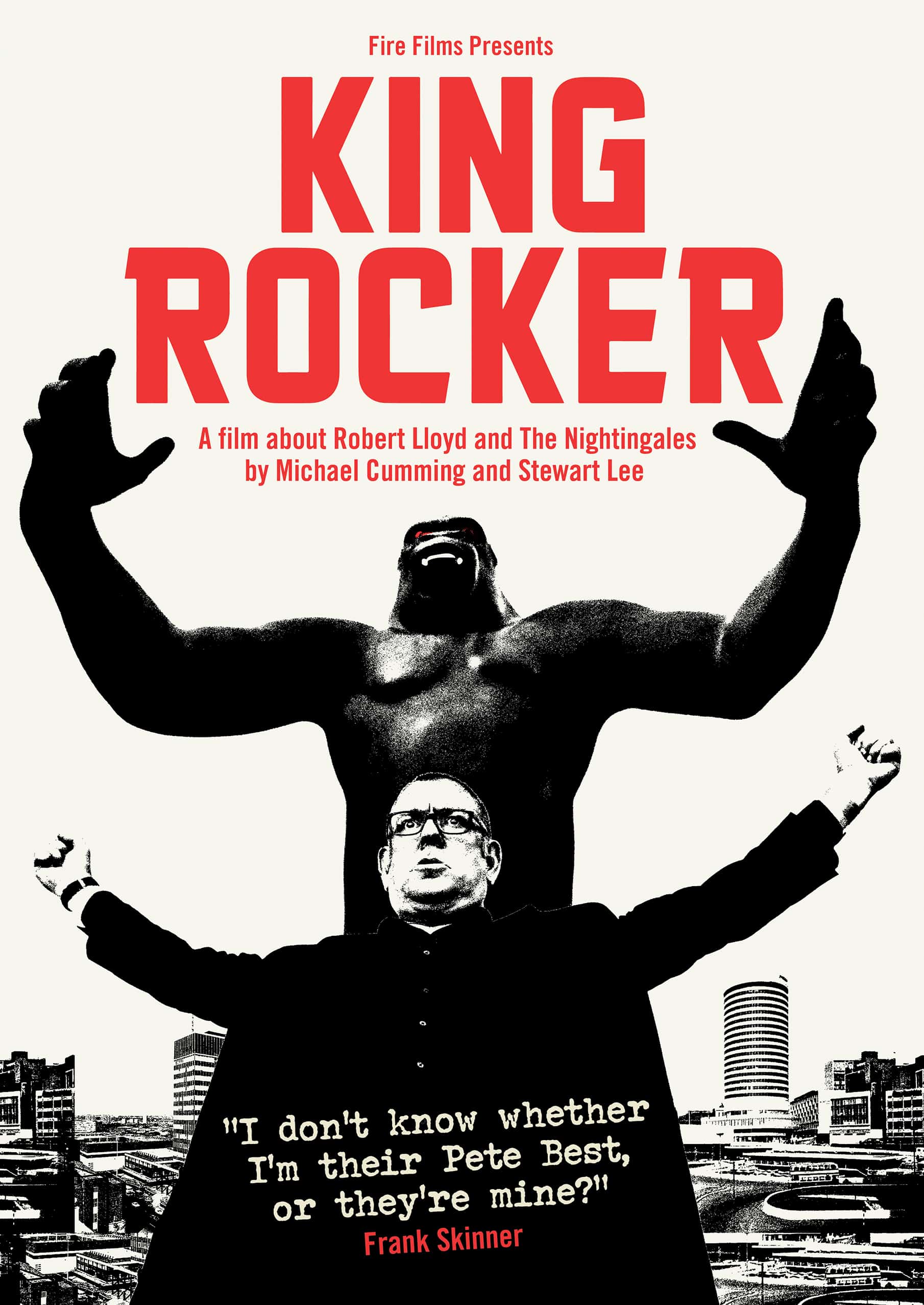
Mark talks about Police Bastard and Trogg, Tape Trading and life before filesharing and the Internet, touring with a band on a budget you can stick under a glass, the idea of giving bands a small amount of help at a critical time, Robert Lloyd and The Nightingales, how the label got involved with Seth and Dufus and he talks about his own band called Last Under The Sun.
Here’s a direct link: http://blip.tv/file/3407655
How does Iron Man Records choose it’s artists and how does it promote them?
November 27, 2009
“HOW DOES THE PUNK MUSIC RECORD LABEL, IRON MAN RECORDS CHOOSE ITS ARTISTS AND HOW DOES IT PROMOTE THEM?” writtten by JANINE LABUSCAGNE BA (HONS) Media & Communication, University of Central England, 2007.
“…..There are two kinds of music – good music and bad music. Good music is music that I want to hear. Bad music that I don’t want to hear” Fran Lebowitz, Metropolitan Life, 1978
The objective of this study discusses promotional strategies generated by the independent record label, Iron Man Records. The research examined the use of the Internet as a free marketing tool and how traditional methods of running a label did not have an affect on Iron Man. Discussing this, I examined the theoretical areas of music industries, promotion and punk in order to understand and gain a solid background for the development of my research.
Conclusions are then put forward after conducting a participant observation, that social networks play the biggest part in promotion for the label. Findings throughout the research have been put forward about the different strategies used in the process of online promotion, as well as more general suggestions for further research.
‘De muziek is de geleende creativiteit en motivatie in ons leven’ (translated from Dutch), music is the borrowed creativity and motivation in our lives. The music industry has had one of the biggest influences in our lives and on our culture. An example of this would be Wall (2003) and Anderson’s (2006) statements which look at popular music as the: “soundtrack to our lives” (2003; 1) and that “we are consumed by hits – making them, choosing them, talking about them, and following their rise and fall” (2006; 2). The world of the music industry is one which has been forced to make changes because of the constant development of new technologies. These changes are in order to keep fans consuming the product that is for sale – music. Britain is a nation of music lovers and we buy more music than any other country – four units per capita each year (IFPI Recording Industry in Numbers 2002).
The music genre known as punk, has been around since the late 1960s, when unemployment was a prominent social feature in Britain. It would appear that we are currently witnessing a re-evolution of the music industry and punk’s DIY (do-it-yourself) ethos within independent record labels. Beyond the development and creation of music, technology has created an impact on the production, distribution, and consumption of ‘Iron Man Records’ music. “Record companies see the other media as promotional avenues for their music” (Wall 2003; 111). There are many new and different social networks such as MySpace, MOG and Flickr which will be one of the main areas of focus for the research. These social networks have evolved on the Internet and the trend displayed by many bands in choosing independent record labels, such as Iron Man Records, above major record labels demonstrates what Barrow and Newby argued about how the music industry:
“Without popular recording artists there would be no music business and without record companies there would be no musical product to be bought in the shops” (1995: 2-3).
The research question, ‘How does the punk music label, Iron Man Records, choose its artists and how does it promote them?’ is a significant topic in the industry to investigate. The independent label has not been explored in depth before, although academics have looked at similar areas of the music industry. The study will look at how relationships are being built between a record label, the music industry and bands. The study also looks at what steps are being taken to promote and market Iron Man Records music.
I support this dissertation through a literature review on what academics in the field have written relevant to my research topic and the critical approach that was taken towards promotion of music. The following areas will be discussed; music industry, promotion and the genre of punk. Finding underground independent music is a unique way of consuming music because, the music is not distributed through the mainstream media outlets and distribution channels (TV, radio and the Internet). The music of DIY artists is being promoted through word of mouth. I will relate this critical approach to the participant observation research I conducted at the independent record label, Iron Man Records. The DIY ethos associated with the label relates to the wider cultural context of the underground music industry. It operates through the process of consumers hearing music, liking the music and then wanting to own the music.
In Chapter Two I discuss the changes in the structure of the music industry, such as the Internet and new technologies (MP3 players and digital downloads) and how they shape Iron Man Records in its process of promotion and marketing.
Lastly, Chapter Three, I will describe the approach to the subject matter by undertaking research through participant observation. At the record label, Iron Man Records. The research follows four succeeding procedures: (1) Observing the label, (2) asking question about the relationship between the label and bands, (3) looking at producing the product and researching Iron Man Records’ and (4) new promotion strategies using the Internet as a free tool. By the end of this study, I will conclude my research findings with an answer and suggesting further ways in which more research can be done.
Click link for full article: Janines Dissertation on Iron Man Records 2007
Dufus – In Monstrous Attitude – press and previews
April 7, 2009
Dufus’ “In Monstrous Attitude” available now!
Colossal 12-panel digipak w/ art by Jeffrey Lewis!
View Dufus’s Electronic Press Kit
Secret ROIR press page for the record.
http://www.roir-usa.com/lionssay/attitude.html
Brooklyn Vegan (show preview) -
http://www.brooklynvegan.com/archives/2009/03/jeffrey_lewis_t.html
Village Voice (show preview) -
http://www.villagevoice.com/events/dufus-jeffrey-lewis-933614/
Ithaca Journal (interview w/ Seth) -
http://www.theithacajournal.com/article/20090312/ENTERTAINMENT04/903120323
New York Mag (show preview) –
Das Klienicum (DE blog) -
http://dasklienicum.blogspot.com/2009/03/neue-tone-535-dufus.html
The Philler (blog) -
http://www.thephiller.com/news/2009/02/dufus-tour-new-york-and-europe-in-sup
port-of-new-album/
New Yorker (show preview) -
http://www.newyorker.com/arts/events/nightlife/2009/02/09/090209goni_GOAT_ni
ghtlife?currentPage=2
Kim Gibbins from Stirchley Stop the War coalition Interviewed
March 16, 2009
Podcasting – an opinion
September 14, 2007
Seb Patrick talks to Iron Man Records about PODCASTING…..
Licences, royalties, labels, rights… to the bedroom DJ who just wants to entertain, the legal side of things can be a right royal pain in the podcast. Seb Patrick investigates the current state of play.
…..easy-to-use digital recording technology and ever-increasing download speeds have given every wannabe DJ the chance to share their voice with the world in the shape of downloadable radio shows – better known as podcasts.
When a new method of music distribution comes along, it doesn’t take long for record labels, publishers and their lawyers to start looking for ways of making money from it. Consequently, March 2006 saw a press release from the MCPS-PRS Alliance, the UK’s main copyright and repertoire bodies, concerning a license with a minimum fee of £200 for music-based podcasts, to be introduced with immediate effect.